Posted on May 8, 2026
Choosing to straighten your teeth is a big decision that leads to a lifetime of confidence. However, one of the most common questions patients ask is whether the process is painful. Most people want the benefits of discreet treatment without the physical stress of traditional appliances.
The short answer is that clear aligners are generally much more comfortable than older methods of teeth straightening. While you will feel some sensations, it is rarely described as true pain. Understanding how removable aligners work can help set your expectations for a smooth experience.
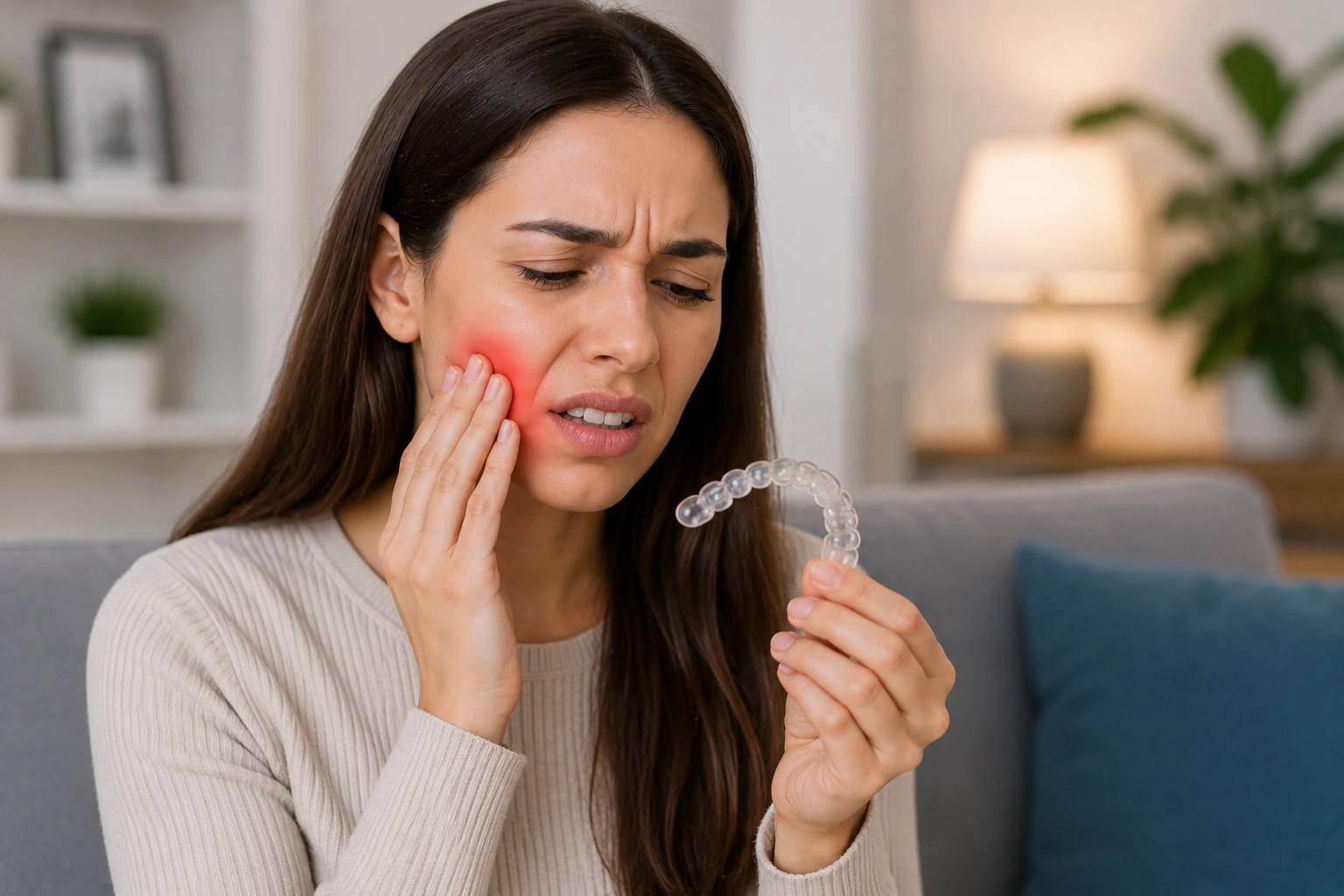
Clear aligners work by applying controlled force to specific teeth at specific times. This is a scientific process designed to gradually shift your teeth into a healthy alignment gradually. Because your teeth are being physically moved within the jawbone, a sensation of orthodontic pressure is completely normal.
Most patients describe this as a tight feeling or a dull ache rather than a sharp pain. This feeling is usually most noticeable during the first few days of a new tray. It is a sign that the biomechanical forces are working to reshape your smile.
When comparing Clear Aligner Therapy to metal braces, the comfort levels are significantly different. Braces involve metal brackets and wires that can poke or scratch the soft tissues of your mouth. This often leads to mouth ulcers or irritation on the inside of the cheeks.
Aligners are made of smooth medical-grade plastic that is custom-trimmed to your gum line. This eliminates the risk of cuts or abrasions. Because they lack wires that require tightening, the force application is much more consistent and gentle over time. For a clearer idea of the early experience, you can check what to expect when getting clear aligners during treatment.
There are specific points in your orthodontic treatment plan where you might be more aware of your aligners. The very first day of treatment is often the biggest adjustment as your mouth gets used to a foreign object.
Another milestone is when you switch to a new set of trays every one to two weeks. Each new tray is slightly different from the last to continue the movement. You might also notice temporary sensitivity when taking the trays out to eat, especially if you are consuming crunchy or very cold foods.
If you do feel a bit of dental soreness, there are several easy ways to manage it. One of the best tips is to switch to your new trays at night before bed. This allows your teeth to undergo the initial shifting while you are asleep.
Using cold compresses on the outside of your cheeks can also help reduce any minor swelling or irritation. If your teeth feel sensitive, sticking to soft foods like yogurt or smoothies for the first twenty-four hours of a new tray can make a significant difference. Some patients also find relief by using Orthodontic Chewies to help seat the aligners properly.
It might sound strange, but feeling that tooth sensitivity is actually a great sign. It serves as physical confirmation that your clear trays are doing exactly what they were designed to do. Without that pressure, your teeth would remain in their original positions.
As your periodontal ligaments adjust to the movement, the sensation will fade. Most users find that by the third or fourth tray, they barely notice the aligners are even in their mouth. Consistency is the key to ensuring this process stays on track and remains comfortable.

While a dull ache is normal, sharp or persistent pain is not. If you notice a rough edge on your tray that is causing a sore on your tongue, you should reach out for guidance. Your provider can often show you how to use orthodontic wax or make a quick adjustment to the plastic.
You should also call if you experience a loose-fitting aligner that does not seem to sit flush against your teeth. Ensuring your custom fit is precise is essential for both your comfort and your final results, which is one reason many patients ask whether they need an orthodontist for Invisalign. Keeping an open line of communication with your clinic ensures that your journey remains a positive one.
Most patients find that any minor discomfort disappears within forty-eight to seventy-two hours. Once your teeth move into the position dictated by the current tray, the pressure subsides.
Yes, standard pain relievers can be very effective if you have a particularly tight trapezius. Always follow the dosage instructions and consult your doctor if you have any underlying health conditions.
You may have a temporary lisp for the first few days as your tongue adjusts to the plastic. Because the material is smooth, sores are very rare compared to traditional metal appliances.
Actually, wearing them for the recommended twenty-two hours a day is better for comfort. Removing them too often allows the teeth to shift back, making the pressure sensation start all over again when you put them back in.
There are no permanent food restrictions, but choosing gentle recipes like pasta or mashed potatoes during tray changes can help. Avoid very hard candies or ice if your teeth feel sensitive to the touch.
The journey to a perfect smile does not have to be a painful one. Modern technology has made it possible to achieve incredible results with minimal interference in your daily life. By following your prescribed wear schedule and using simple comfort measures, you can enjoy the transformation process.
At Gia Orthodontics, we prioritize your comfort and use advanced digital scanning to ensure your trays fit perfectly. If you are ready to see how easy a digital smile transformation can be, we are here to help. Contact our team today to schedule a consultation and take the first step toward the smile you have always wanted.