Posted on June 12, 2026
Braces have helped millions of people achieve healthier, straighter smiles, but many patients still wonder what actually makes them work. While it may look simple from the outside, braces rely on a carefully planned system of brackets, wires, and gradual pressure to guide teeth into better positions over time. Modern orthodontic treatment is more advanced, comfortable, and effective than ever before, making braces a reliable solution for a wide range of alignment and bite concerns. This guide explains how braces work, the treatment options available, and what patients in Bartonville, TX, can expect during the process.
Braces are orthodontic appliances that gradually move teeth into healthier, more functional positions. They are commonly used to treat crooked teeth, crowding, gaps, overbites, underbites, crossbites, and jaw alignment concerns. Braces have helped patients achieve healthier smiles for decades, and today’s technology makes treatment more comfortable and efficient than ever.
Braces work by applying gentle, consistent pressure that gradually encourages teeth to move through the surrounding bone into their desired positions. The process happens in stages:
Although tooth movement happens slowly, the process is carefully planned to achieve safe, predictable results.
Understanding the parts of braces can help you feel more confident about treatment.
Each part plays an important role in a successful outcome.
Braces are versatile and can address many concerns.
The process begins with a comprehensive orthodontic consultation. Your team may examine your teeth and bite, review your dental history, take digital scans or images, discuss your goals, and recommend treatment options. Many patients also ask whether a dentist or an orthodontist does braces. Orthodontists receive specialized training focused on tooth movement, bite correction, and treatment planning. This evaluation helps determine the best approach for your smile.
A common concern is discomfort. After braces are placed, it’s normal to feel mild pressure, temporary soreness, and increased tooth sensitivity. These sensations are usually temporary and often a sign that treatment is working, and most patients adjust within a few days.
Timelines vary based on individual needs. The main factors include the severity of alignment issues, the need for bite correction, patient age, and compliance. Many patients wonder how long braces take to straighten teeth, and while it varies, most treatments last between one and three years. Your orthodontist will give a personalized estimate during your consultation. Patients looking for treatment locally often explore options such as braces in Northlake and braces in Copper Canyon, depending on their location and orthodontic needs.
Modern orthodontics offers several approaches.
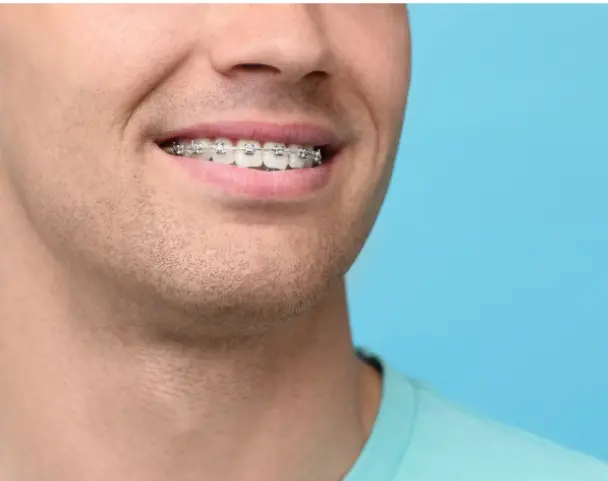
Traditional metal braces: Metal braces remain one of the most effective and widely used options, offering excellent control, effective bite correction, and reliable results.
Clear aligners: Some patients qualify for clear aligners instead, which use a series of custom-made trays to gradually move teeth. Patients exploring alternatives often ask how clear aligners work: these removable trays apply controlled pressure, similar to braces, while offering greater flexibility and discretion. Gia Orthodontics offers advanced clear aligner treatment options for eligible patients.
Braces treatment isn’t a one-time process. Periodic appointments let your orthodontist monitor progress, adjust wires, evaluate tooth movement, address concerns, and keep treatment on schedule. These regular visits are essential for achieving the best results.
Good oral hygiene plays a major role in treatment success. Helpful habits include brushing after meals, flossing daily, avoiding foods that may damage braces, and attending your scheduled appointments. Caring for your braces protects your teeth and supports healthy progress.
Successful treatment involves much more than placing brackets and wires. Orthodontists use specialized training to diagnose alignment issues, create customized treatment plans, monitor progress, and adjust treatment as needed. At Gia Orthodontics, recommendations are tailored to each patient’s unique smile goals and orthodontic needs, which helps ensure efficient, predictable results.
Understanding how braces work can make the orthodontic process feel less intimidating and more exciting. By applying gentle, controlled pressure over time, braces correct a wide range of alignment and bite concerns while helping patients achieve healthier, more confident smiles. If you’re considering braces or exploring your options, schedule a consultation with Gia Orthodontics today. Their experienced team can evaluate your smile, discuss personalized solutions, and help you take the first step toward lasting results.
How do braces move teeth?
Braces apply continuous, gentle pressure that gradually shifts teeth into better positions by exerting pressure on the surrounding bone.
Do braces hurt when they are first placed?
Most patients feel mild soreness or pressure for several days after braces are placed or adjusted.
How often do braces need adjustments?
Schedules vary, but many patients visit their orthodontist periodically throughout treatment.
Can braces fix bite problems?
Yes. Braces are commonly used to correct overbites, underbites, crossbites, and other bite alignment issues.
Are braces or clear aligners better?
It depends on the complexity of your case, lifestyle, and goals. A consultation can help determine which solution is right for you.