Posted on August 18, 2026
You’ve seen the ads, the before-and-after photos, and maybe a few glowing reviews from friends. But you’re still wondering: does teeth whitening work, or is it mostly hype? That’s a fair thing to ask before spending your time and money on any treatment. Here’s the thing: whitening absolutely can work, and when done right, the results can be genuinely impressive. This guide breaks down how whitening treatments work, what sets professional care apart from store-bought kits, and what results you can realistically expect for your smile.
Before setting expectations, it helps to understand the mechanics. Teeth develop stains in two ways:
Whitening treatments use peroxide-based agents, typically hydrogen peroxide or carbamide peroxide, to penetrate the enamel and break apart stain molecules. The result is a visibly lighter tooth color. This process works most effectively on extrinsic stains, though professional-strength treatments can also address some degree of intrinsic discoloration.
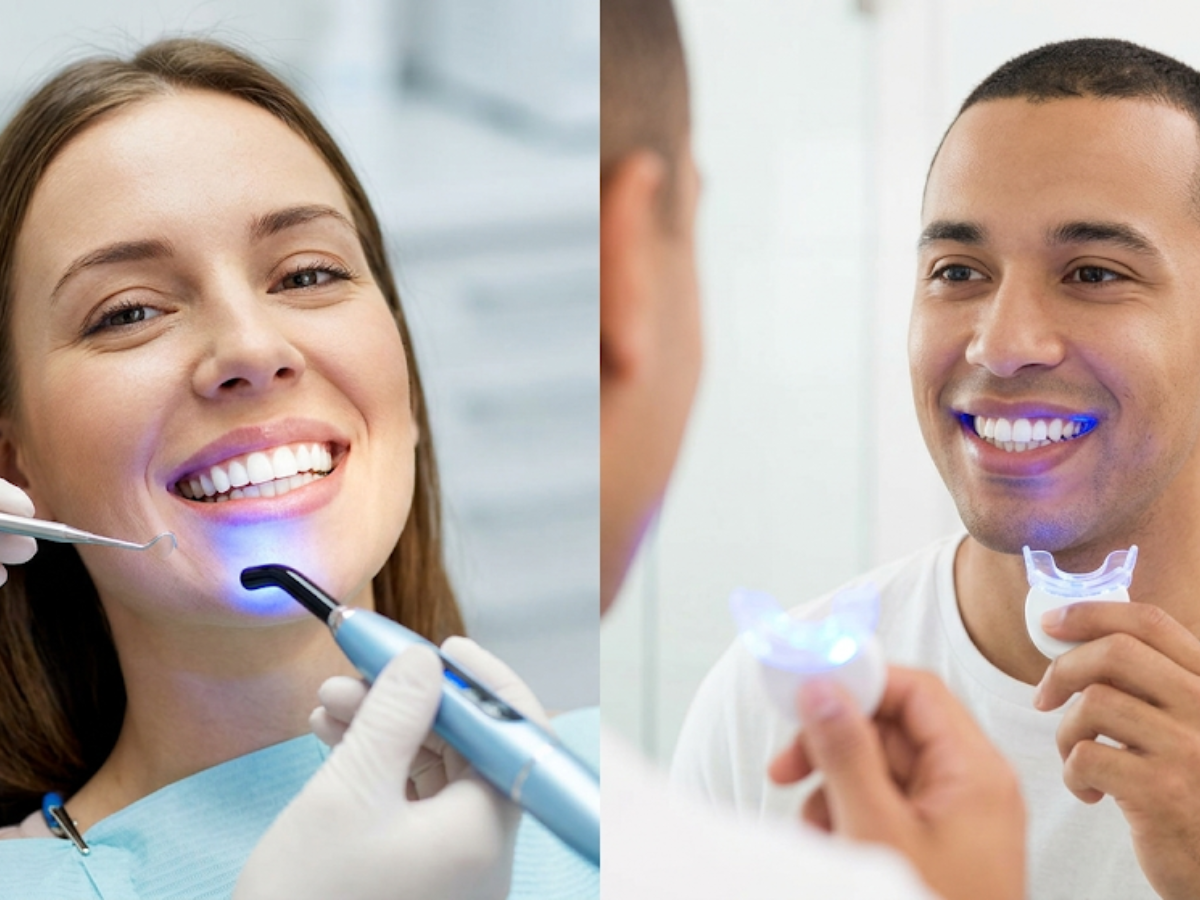
Professional whitening, performed under the supervision of a dental provider, uses higher-concentration whitening agents than anything available over the counter. The key advantages include:
Most patients see a noticeable difference in brightness following professional treatment. Results can last anywhere from several months to a couple of years, depending on lifestyle habits and maintenance.
At Gia Orthodontics, patients benefit from personalized cosmetic consultations that evaluate their current tooth shade, oral health, and whitening goals before recommending any treatment. This individualized approach helps set realistic expectations and supports safer, longer-lasting outcomes.
At-home products, including whitening strips, toothpastes, and LED kits, do produce results for many users, but there are important limitations to keep in mind.
Whitening strips contain a lower concentration of peroxide than professional treatments. They can brighten surface stains effectively over several weeks of consistent use, though results are typically more modest.
Whitening toothpastes work primarily through mild abrasives that polish away surface stains. They are not bleaching agents and won’t change the underlying color of your teeth.
LED whitening kits are marketed aggressively, but the light itself does not whiten teeth. The peroxide gel does the work, and the light may help slightly accelerate activation. Results vary considerably between products.
The bottom line: at-home treatments can work for mild discoloration and maintenance, but they generally cannot match the depth or speed of professional whitening.
Not every smile responds to whitening the same way. Several factors influence both how well whitening works and how long results last:
Understanding these variables is exactly why a professional evaluation matters before starting whitening treatment.
Getting results is one thing; keeping them is another. A few straightforward habits can go a long way toward extending the life of your whitening treatment:
Many patients find that combining professional whitening with periodic at-home maintenance delivers the most consistent results over time.
| Factor | Professional Whitening | At-Home Whitening |
| Strength of the agent | Higher concentration | Lower concentration |
| Speed of results | Faster | Gradual |
| Gum protection | Custom trays provided | Varies by product |
| Customization | Tailored to your smile | One-size-fits-all |
| Longevity | Several months to years | Weeks to months |
| Supervision | Yes | No |
For patients with specific cosmetic goals or sensitivity concerns, professional whitening is typically the safer, more reliable choice.
Teeth whitening is not a one-size-fits-all solution. It may not be recommended for patients who:
This is why a consultation with a qualified dental or orthodontic provider is the best starting point. Exploring your orthodontic and cosmetic care options at Gia Orthodontics gives you access to a team that can assess your smile thoroughly and recommend the most appropriate path forward.
So, does teeth whitening work? Yes, it does, and often quite effectively. The key is matching the right treatment to your specific smile, staining type, and oral health status. Professional whitening delivers the most noticeable and lasting results, while at-home options can be a practical tool for maintenance and mild brightening.
If you’re ready to find out what whitening can do for your smile, schedule a consultation with the team at Gia Orthodontics. Get a personalized smile assessment and discover the whitening solution that fits your goals, your timeline, and your lifestyle.
Whitening treatments work best on extrinsic stains caused by food, beverages, and tobacco. Intrinsic stains, such as those from certain medications or aging, may require alternative cosmetic treatments for optimal results.
Results typically last from several months to a couple of years, depending on your oral hygiene habits, diet, and whether you pursue periodic touch-up treatments.
Many patients with mild sensitivity can still safely undergo professional whitening. Your provider can recommend desensitizing agents or adjusted treatment protocols to minimize discomfort.
Whitening agents do not change the color of crowns, veneers, or bonding. A professional consultation can help determine the best approach for achieving a consistent smile appearance.
Professional whitening can produce visible results after a single session. At-home products typically require several weeks of consistent use before noticeable improvement appears.