Posted on May 7, 2026
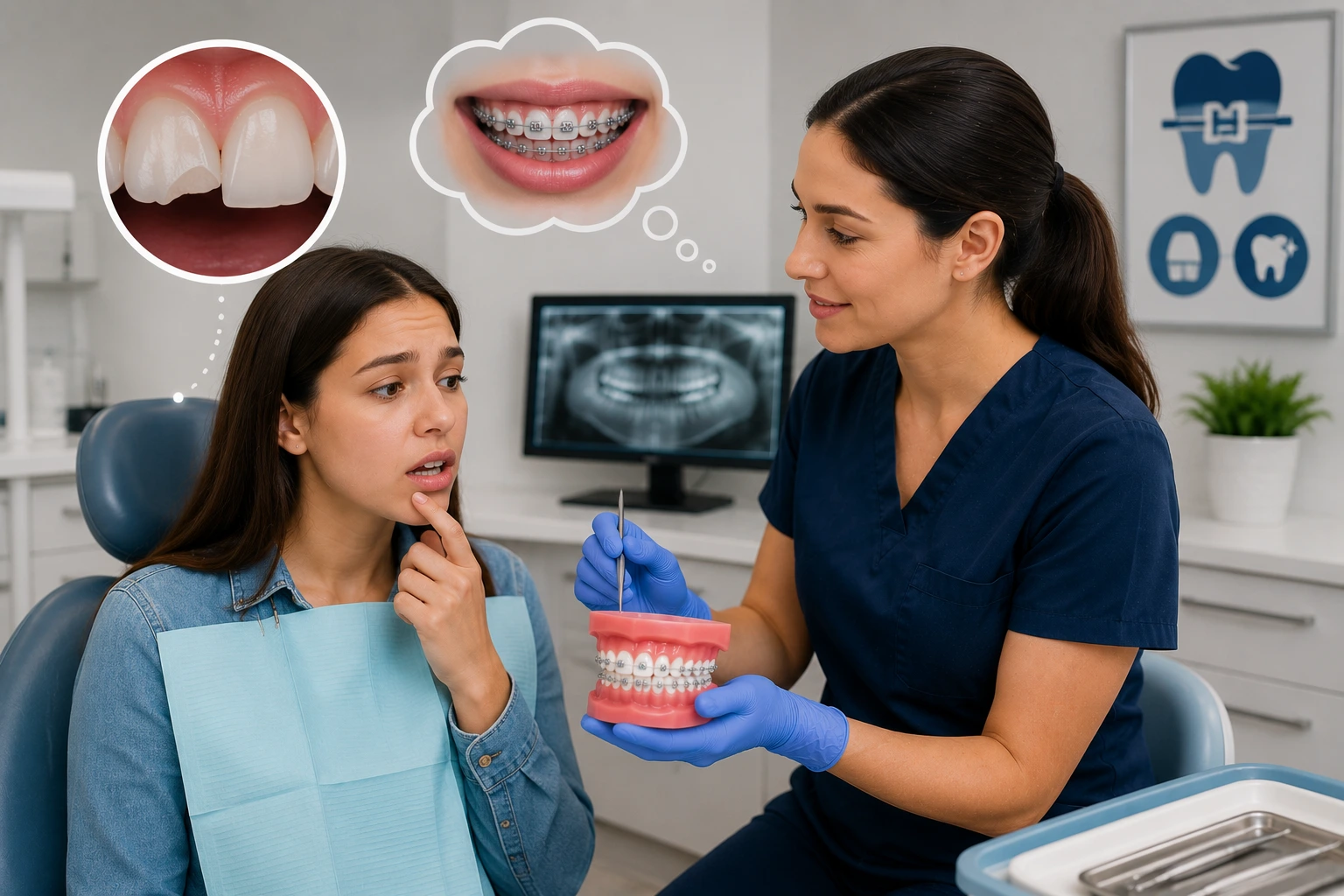
Chipping a tooth can feel alarming. Whether it happened while biting into something hard, during a sport, or from a minor accident, the first question most people ask is, “Who do I call?”
You might wonder whether an orthodontist is the right professional for this situation. The answer is nuanced, and understanding the difference between dental and orthodontic care can save you both time and money.
A chipped tooth occurs when a portion of tooth enamel breaks away. Enamel is the hardest substance in the human body, but it is not indestructible.
Chips range from minor surface flakes to deeper fractures that expose the inner dentin or even the dental pulp. The severity of the chip determines what type of treatment is needed and which dental professional should handle it.
Small chips may cause no pain, while deeper ones can trigger tooth sensitivity, sharp edges, or even infection if left untreated.
Here is the straightforward answer: An orthodontist does not typically repair the chip itself. That is the job of a general dentist or restorative dentist, who uses treatments like dental bonding, veneers, or crowns.
However, an orthodontist plays a critical role in the bigger picture. If your teeth are misaligned or crowded or your bite is off, you are far more likely to experience chipped or damaged teeth over time.
So while an orthodontist may not fill in the chip directly, they address the root cause that made the chip possible in the first place.
One of the most overlooked causes of chipped teeth is a malocclusion, which simply means a misaligned bite. When your upper and lower teeth do not come together correctly, certain teeth absorb more pressure than they should.
This uneven bite force distribution creates stress points that weaken enamel gradually. Common bite issues that contribute to chipped teeth include:
Over time, even normal chewing can wear down or fracture vulnerable teeth when the bite is not balanced.
The right treatment depends on the size and location of the chip. Here is what dental professionals typically recommend:
None of these fix underlying bite or alignment issues, which is where orthodontic treatment becomes essential.
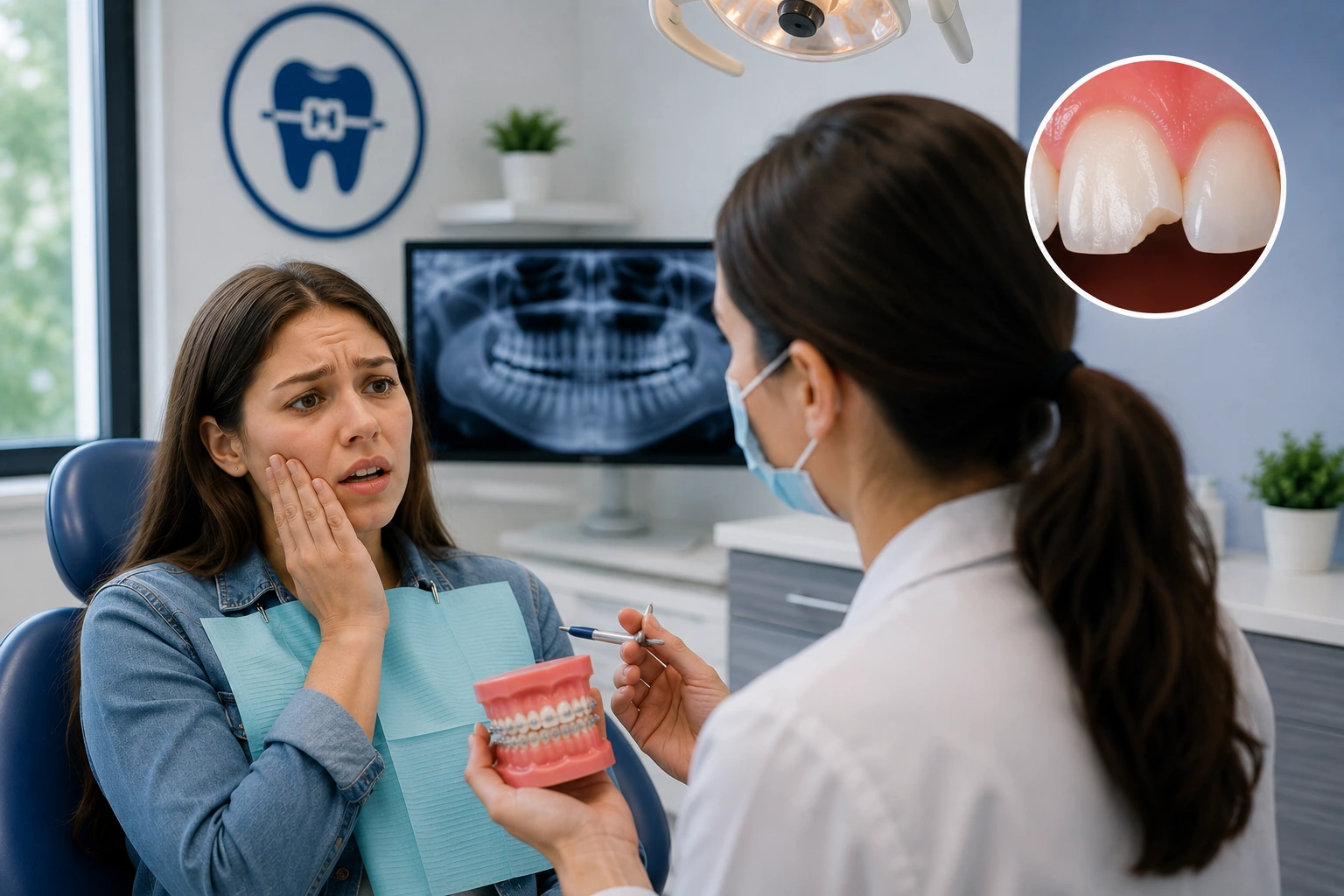
After your dentist repairs the chip, it is a smart step to consult an orthodontist, especially if:
At Gia Orthodontics, we evaluate the full picture of your oral health and jaw alignment to understand why damage is occurring and how to stop it from happening again. A personalized treatment plan may include braces or clear aligners to correct the underlying structural issues.
Correcting alignment and bite issues through orthodontic treatment is one of the most effective ways to protect your teeth long-term.
When your bite is balanced, chewing forces are distributed evenly across all teeth. No single tooth carries too much load. This dramatically reduces the risk of enamel cracking, fracturing, or chipping.
Braces and clear aligners gradually shift teeth into their ideal positions, improving both the aesthetics and function of your smile. For patients with a deep bite or crossbite, targeted orthodontic correction can relieve the structural stress that leads to repeated dental damage.
Orthodontic treatment also makes oral hygiene easier. Straighter teeth are simpler to clean, which means less plaque buildup, healthier gums, and stronger enamel overall.
If bruxism is part of the issue, an orthodontist may also recommend a custom night guard to protect your teeth while you sleep, working alongside bite correction for complete protection.
At Gia Orthodontics, we believe every smile deserves more than a quick fix. If you have chipped a tooth or noticed repeated dental wear, our team can help identify whether a bite issue or misalignment is the underlying cause and create a treatment plan designed just for you.
Reach out to Gia Orthodontics today to schedule a consultation and take the first step toward a healthier, stronger smile that lasts a lifetime.
No. Repairing a chipped tooth is done by a general or restorative dentist using bonding, veneers, or crowns. An orthodontist addresses bite alignment and teeth positioning, which can correct the underlying cause of repeated chipping.
Repeated chipping is often caused by a misaligned bite, teeth grinding, or uneven occlusal forces. An orthodontic evaluation can identify whether bite correction is needed to prevent future damage.
Yes. Once the chip is repaired by a dentist, orthodontic treatment can correct alignment issues that contributed to the injury, reducing the risk of it happening again.
Signs include chips on multiple teeth, worn-down enamel, jaw soreness, or uneven bite pressure. An orthodontist can perform a bite analysis to determine if misalignment is a contributing factor.
It is best to have the chip repaired by your dentist first. Once the tooth is restored, orthodontic treatment can proceed safely and is often recommended to address any underlying alignment issues.