Posted on May 7, 2026
Choosing to straighten your teeth is a significant investment in your future. It affects your confidence, your oral hygiene, and how you present yourself to the world. However, many patients find themselves at a crossroads when starting this journey.
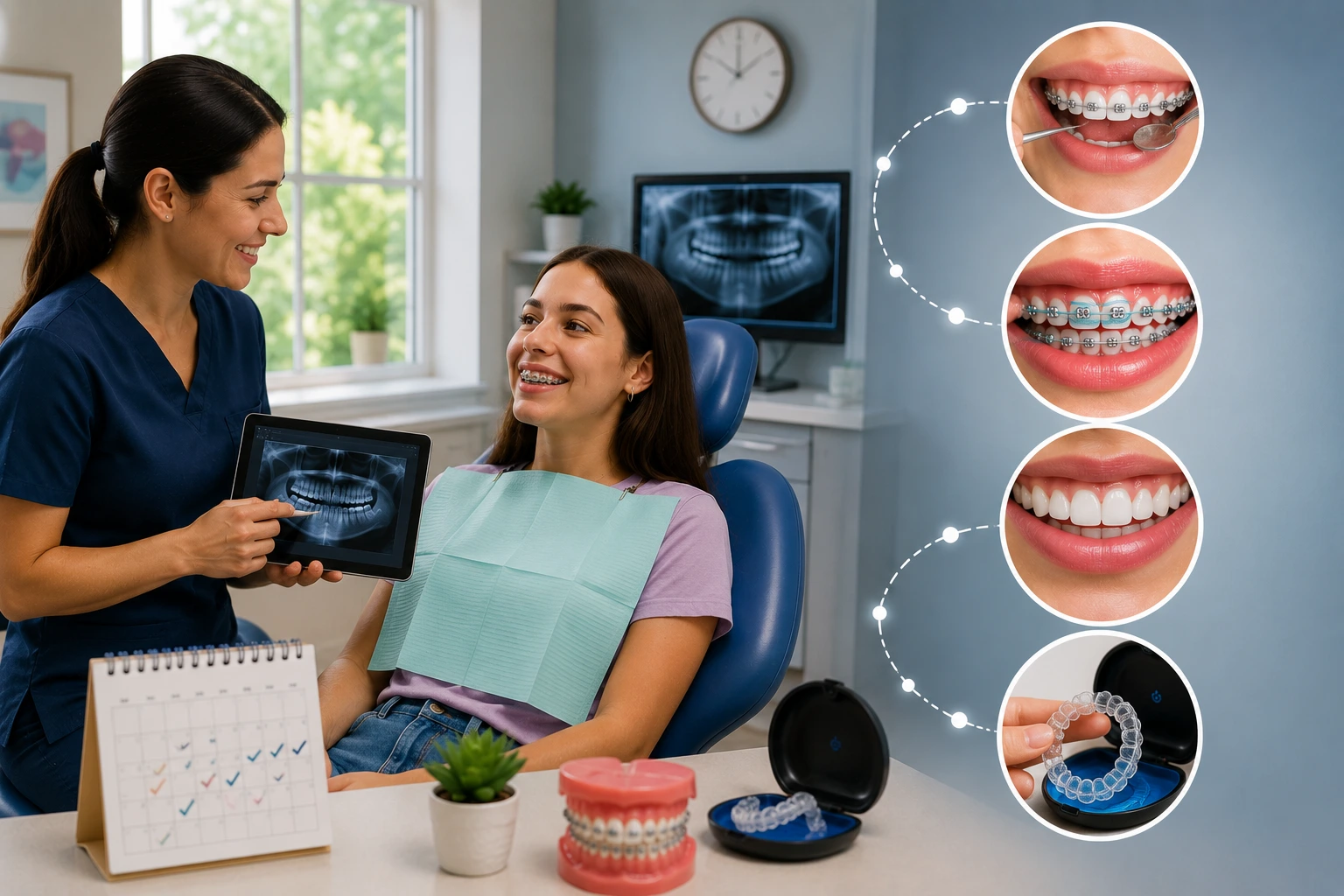
You might wonder if you should stick with your trusted family doctor or seek out a specialist. The question of who does braces, a dentist or an orthodontist, is common because both professionals work within the field of dental care. Understanding the nuances of their training is the first step toward a perfect smile.
While both practitioners aim to improve your teeth, their focus areas are distinct. A dentist is like a primary care physician for your mouth, whereas an orthodontist is a specialist dedicated to tooth movement and jaw alignment.
All orthodontists are dentists, but not all dentists are orthodontists. This is the most fundamental concept to grasp when understanding the difference between a dentist and an orthodontist. A general dentist focuses on the overall health of your teeth and gums. They handle routine cleanings, fillings, crowns, and bridges.
An orthodontist, however, focuses exclusively on malocclusions and structural irregularities. They spend 100% of their professional time correcting bite issues and crowding. This specialization allows them to manage the biological forces required to move teeth safely through the bone.
When you visit a dentist, you are looking for preventive care and maintenance. When you see an orthodontist, you are seeking a master of dentofacial orthopedics. This distinction ensures that your facial symmetry and functional bite are prioritized alongside straight teeth.
For parents wondering about early treatment timing and benefits, this guide on early orthodontic care explains what to expect.
Education is where the paths of these two professionals truly diverge. After graduating from dental school, those who wish to specialize must apply to an accredited orthodontic residency program. These programs are highly competitive and accept only the top tier of dental graduates.
This additional training lasts between two and three years of full-time study. During this period, residents focus on biomechanics, growth and development, and advanced cephalometric analysis. They learn how to predict how a child’s jaw will grow or how an adult’s bone will respond to pressure.
This extensive schooling is why an orthodontic specialist is uniquely qualified to handle the complexities of your smile. They have seen thousands of cases ranging from simple gaps to severe skeletal discrepancies. This experience is vital for ensuring that your treatment is both efficient and stable.
The short answer is yes. General dentists are legally permitted to offer orthodontic treatment if they choose. Many take short weekend courses or online seminars to learn how to apply traditional metal braces or prescribe clear aligner therapy.
However, a weekend course cannot replicate years of supervised residency. While a dentist might be capable of fixing a minor cosmetic gap, they may lack the depth of knowledge to handle root resorption or unexpected tooth movements.
At Gia Orthodontics, the focus remains on providing specialized care that looks at the big picture. This ensures that while your teeth become straight, your temporomandibular joint function remains healthy. Choosing a dedicated specialist often leads to more predictable and lasting results.
Some dental issues are more than just cosmetic concerns. If you struggle with an underbite, overbite, or crossbite, these are structural problems that involve the jawbone itself. Correcting these requires a deep understanding of maxillofacial structures.
Impacted teeth, where a tooth fails to emerge through the gum, also require the specialized touch of an orthodontist. They work to create the necessary space and use precise traction forces to guide the tooth into the correct position.
Furthermore, if you have missing teeth or require orthognathic surgery, a specialist is essential. They coordinate with other dental professionals to ensure your occlusion is perfect. Relying on a generalist for these complex issues could lead to complications that require expensive corrective work later.
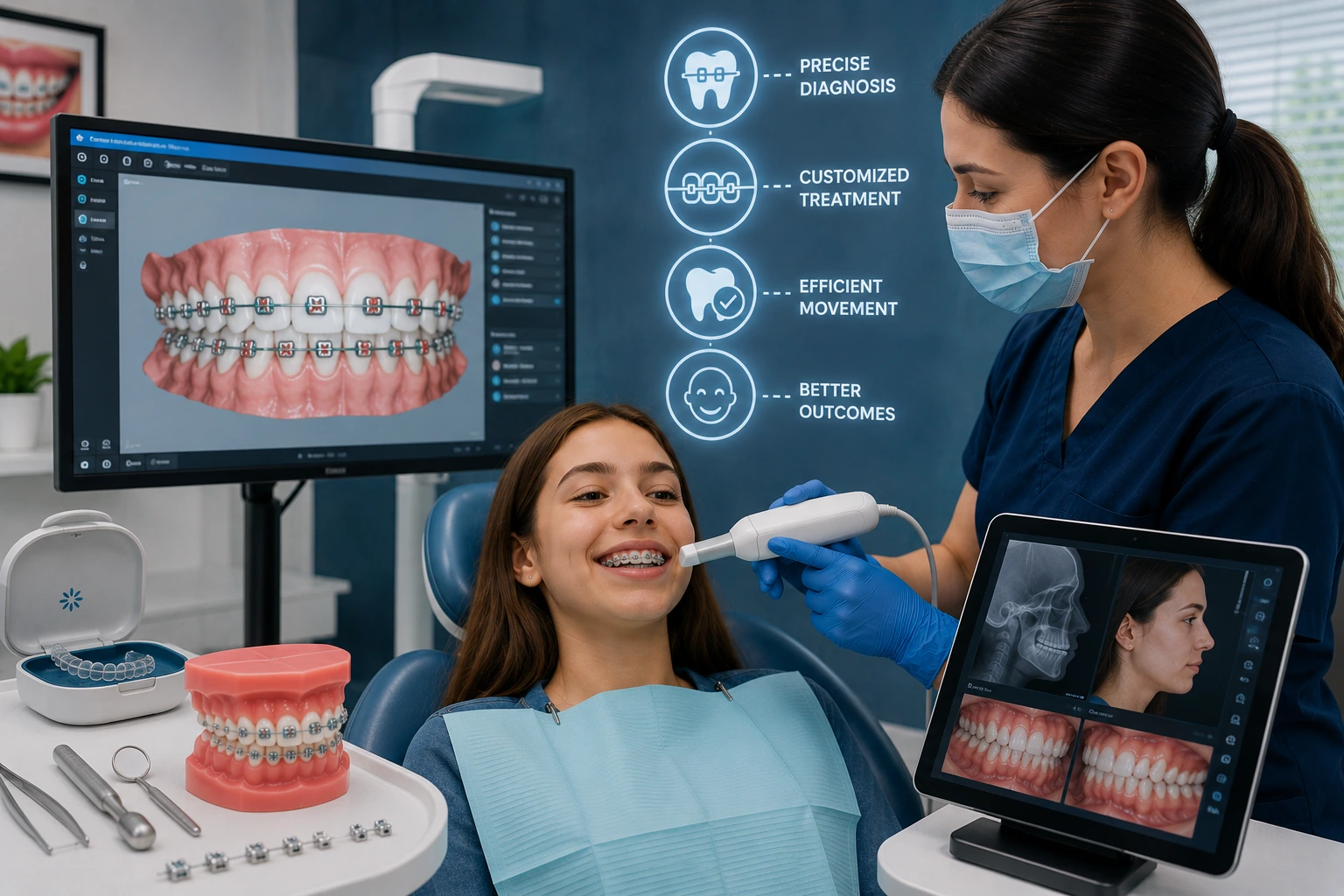
Orthodontic offices are designed differently than general dental clinics. They are equipped with specific technology like 3D digital scanners and cone beam computed tomography. These tools allow for a high-definition view of the roots and bone structure.
General dentists may not invest in this expensive, specialized equipment because they perform a wide variety of other tasks. An orthodontist uses these tools daily to create a customized treatment plan tailored to your unique anatomy.
Using digital impressions instead of messy molds makes the process more comfortable for the patient. More importantly, it allows for a level of precision that ensures your clear aligners or brackets fit perfectly. This technological edge results in a shorter treatment duration and more comfortable experience.
The goal of straightening teeth is not just a pretty smile for today. It is about the health of your periodontal tissues and the longevity of your teeth for decades to come. Teeth that are aligned correctly are much easier to clean, reducing the risk of gum disease.
An orthodontist considers how your teeth will wear over time. If the bite is not adjusted correctly, you may experience enamel erosion or chipped teeth due to uneven pressure. A specialist ensures that the functional harmony of your mouth is restored.
By choosing a specialist, you are protecting your investment. You receive a comprehensive retention plan to ensure your teeth stay in place. This long-term vision is the hallmark of professional orthodontic care, providing peace of mind that your results will stand the test of time.
Sometimes a general dentist might offer a lower price for simple cases. However, if the treatment takes longer or needs to be fixed by a specialist later, the total cost can be much higher. Orthodontists offer specialized expertise that often prevents costly future corrections.
Typically, you will have appointments every four to eight weeks. These visits allow the specialist to monitor tooth displacement and make necessary adjustments to your archwires or aligners.
Orthodontics is for patients of all ages. In fact, about one in four orthodontic patients is an adult. As long as your supporting bones and gums are healthy, you can achieve a beautiful smile at any stage of life.
No, you do not need a formal referral. While many dentists recommend a specific specialist, you are free to schedule a consultation on your own. Most specialists offer a complimentary initial exam to evaluate your bite alignment.
Treatment time varies based on the complexity of the case. On average, most patients wear braces or aligners for 12 to 24 months. A specialist can provide a more accurate timeline after reviewing your diagnostic records.
Deciding between a dentist and an orthodontist is about choosing between general maintenance and specialized expertise. While your dentist is vital for keeping your teeth clean and healthy, an orthodontist is the true architect of your smile. By understanding the rigorous training and specialized tools involved, you can make a choice that ensures a lifetime of functional beauty.
At Gia Orthodontics, we believe every patient deserves a smile that is as healthy as it is beautiful. Our team is dedicated to providing personalized care using the latest advancements in the field. If you are ready to transform your smile with the confidence that only a specialist can provide, we invite you to reach out. Contact us today to schedule your consultation and take the first step toward the smile you have always wanted.