Posted on May 7, 2026
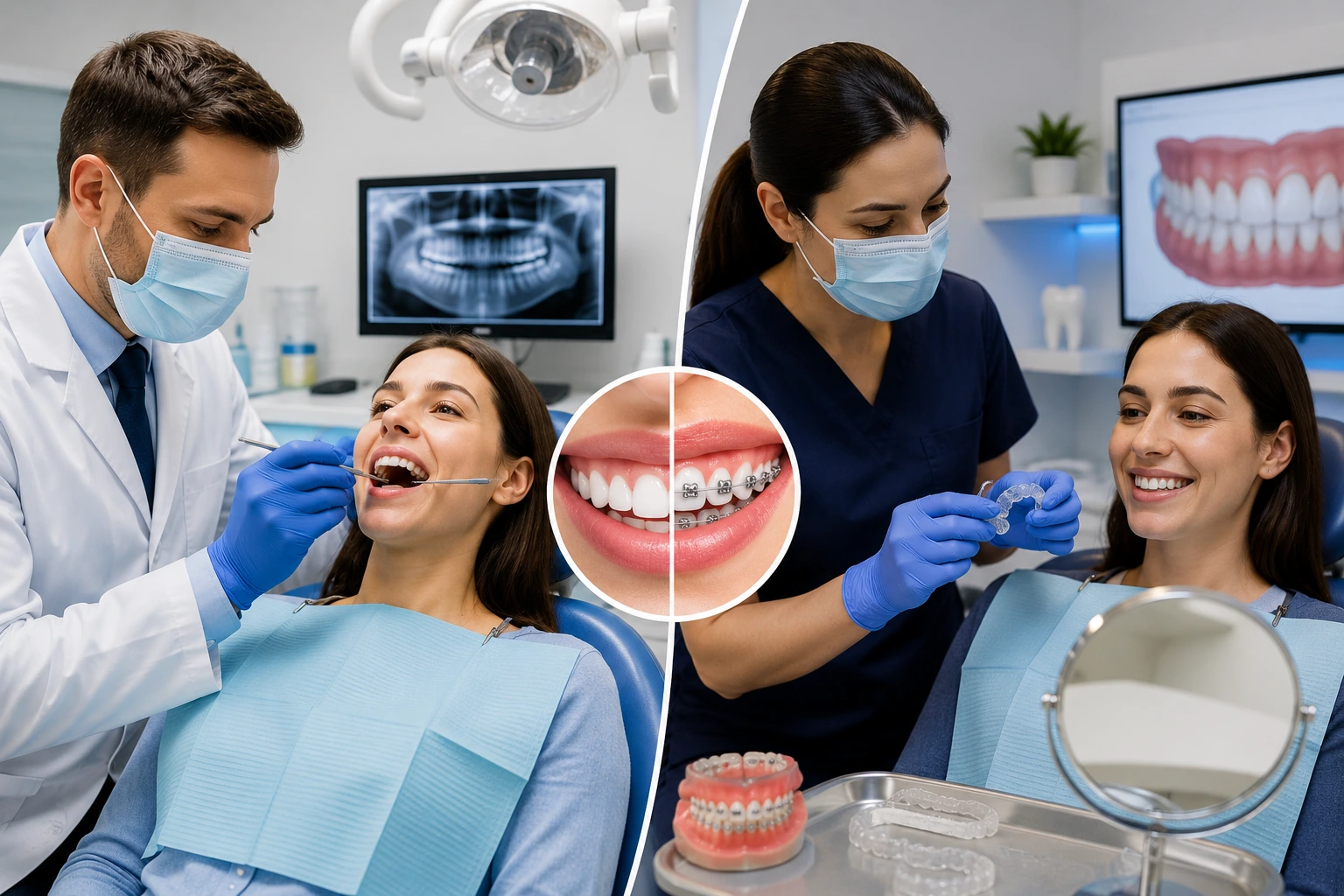
If you have ever sat in a waiting room wondering whether you should have booked with a dentist or an orthodontist, you are not alone. Many people use these two terms interchangeably, but they are actually very different types of healthcare providers. Understanding the distinction can save you time, money, and a lot of confusion down the road.
A general dentist is your primary care provider for everything related to your mouth. They are typically the first professional you visit for routine checkups, cleanings, and everyday dental concerns.
Here is what falls under a dentist’s scope of care:
Think of your dentist the way you think of a family doctor. They handle a wide range of oral health issues including concerns like damaged or chipped teeth, and refer you to specialists when a problem requires more focused expertise, including questions like does an orthodontist do root canals.
An orthodontist is a dental specialist who focuses exclusively on the alignment of teeth and jaws. While every orthodontist starts out as a dentist, not every dentist becomes an orthodontist.
Orthodontists are trained specifically to diagnose and correct:
Their entire practice is built around one goal: creating a properly aligned bite and a straighter smile. They use specialized tools like braces, clear aligners, retainers, and palate expanders to get there.
This is where the distinction becomes crystal clear. Both dentists and orthodontists complete a four-year dental school program after earning a college degree. However, orthodontists go on to complete an additional two to three years of full-time specialty residency training focused solely on orthodontics.
During this residency, they study:
This advanced education is why orthodontists are considered specialists and why orthodontic treatment requires a level of precision that goes well beyond general dental care.
This is one of the most common questions people ask, and it deserves a straight answer.
Some general dentists do offer basic teeth straightening services, such as prescribing clear aligner trays for mild cases. However, for anything beyond the most straightforward alignment issues, seeing a board-certified orthodontist is the smarter choice.
Here is why it matters:
If your concern is a simple cleaning or a cavity, your dentist is the right call. If your concern involves crooked teeth, bite correction, or jaw alignment, an orthodontist is the expert you need, especially when deciding who should handle braces treatment.
At Gia Orthodontics, patients receive personalized care from a specialist who understands that every smile is different. Whether you are considering braces or clear aligners, getting a proper orthodontic evaluation ensures your treatment plan is built for your unique needs, not just a generic template.
Knowing when to book with each provider can help you get the right care faster.
See your dentist when you have:
See an orthodontist when you notice:
The American Association of Orthodontists recommends that children receive their first orthodontic evaluation by age seven. Early assessment does not always mean early treatment, but it allows an orthodontist to catch developing issues before they become harder to correct.
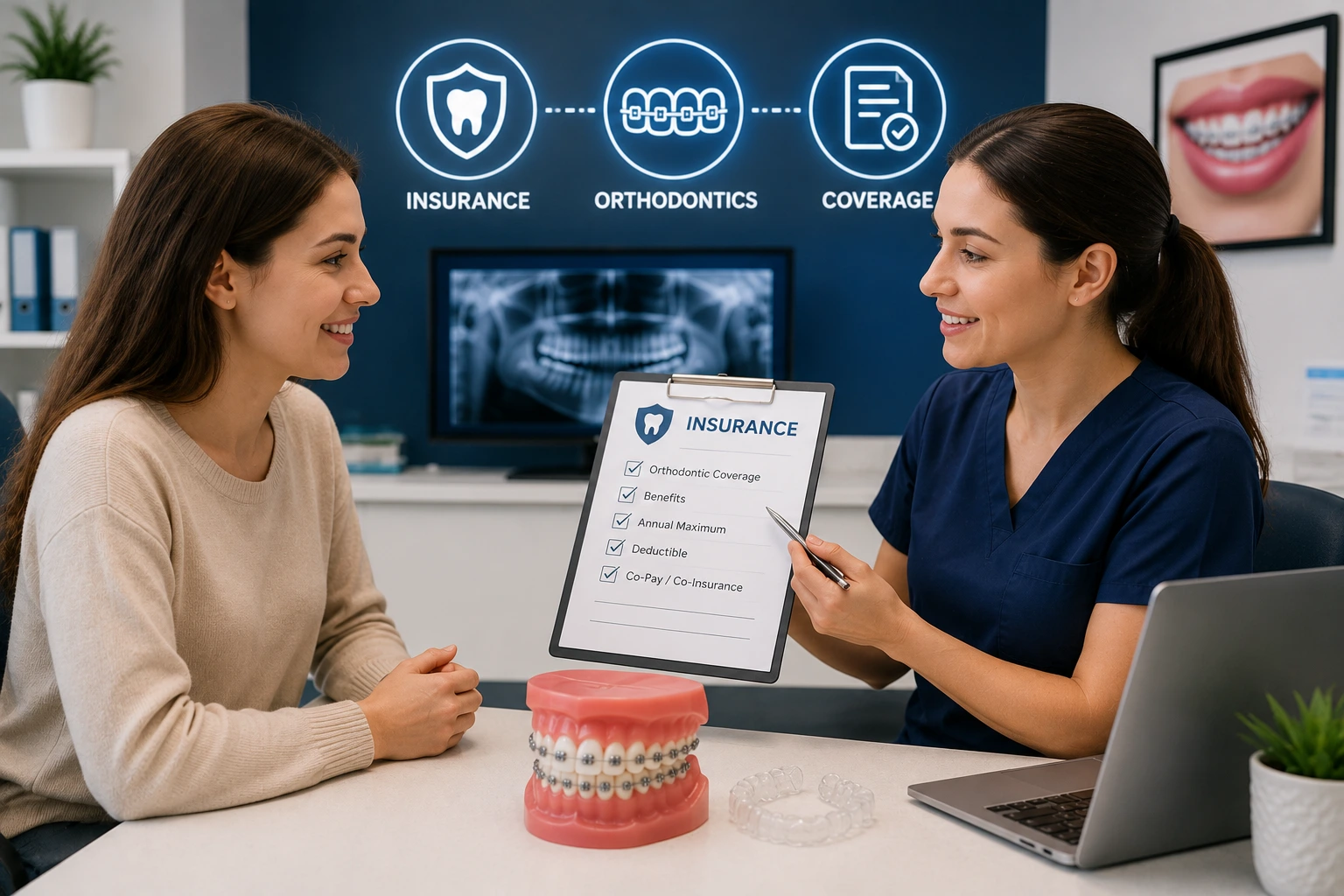
Dental insurance and orthodontic benefits are often treated as separate categories in most insurance plans. Many plans cover routine dental care like cleanings and fillings under general dental benefits. Orthodontic coverage, when included, typically comes with a lifetime maximum benefit and may have age restrictions.
It is worth calling your insurance provider directly to ask about your orthodontic coverage, what percentage is covered, and whether there is a waiting period. Many orthodontic offices, including practices like Gia Orthodontics, offer flexible payment options to help make treatment more accessible.
Yes, absolutely. Your general dentist can refer you to an orthodontist if they notice alignment or bite concerns during a routine visit. You can also seek an orthodontic consultation directly without a referral in most cases.
You can visit an orthodontist without a dentist referral, but it is generally recommended to maintain regular dental checkups alongside orthodontic treatment. Healthy teeth and gums are essential for successful orthodontic outcomes.
The American Association of Orthodontists recommends a first evaluation by age seven. This allows the orthodontist to monitor jaw and tooth development during key growth stages.
Orthodontists treat patients of all ages. Adult orthodontic treatment has grown significantly in recent years, with options like clear aligners making treatment more discreet and convenient for working adults.
Only a qualified orthodontist can determine the right treatment after a thorough examination. Some cases need full orthodontic treatment with braces or aligners, while others may only require a retainer to maintain or slightly shift tooth position.
Now that you understand the difference between a dentist and an orthodontist, you are better equipped to make informed decisions about your oral health. Both play important roles, but when it comes to alignment, bite correction, and long-term jaw health, a specialist makes all the difference.
At Gia Orthodontics, the focus is on delivering expert orthodontic care in a comfortable, welcoming environment. Whether you are exploring options for yourself or your child, scheduling an orthodontic consultation is the best first step toward the confident smile you deserve.