Posted on July 16, 2026
Finishing braces or Invisalign feels like the finish line, but it’s really the start of a new phase. If you have ever asked yourself what retainers do once your treatment is done, you are not alone. Every week, patients in our Bartonville office ask the same question after their braces come off or their last aligner tray is finished. The short answer is that retainers protect the results you worked hard to earn, and skipping them can undo months or years of progress.
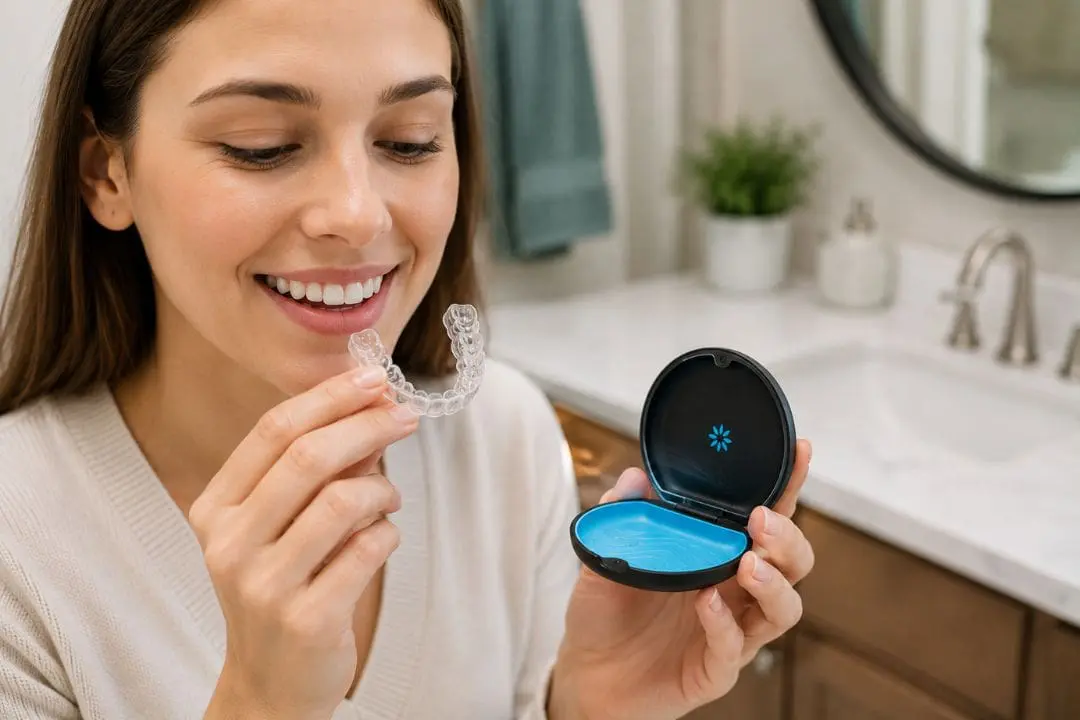
Retainers hold your teeth in their new, corrected position while your gums, bone, and periodontal ligaments adjust to the change. Braces and aligners move teeth quickly, but the tissue and bone around them need extra time to catch up and stabilize.
So what do retainers do exactly during this window? They act as a holding pattern. Without that support, teeth can drift back toward their original spots, a process orthodontists call orthodontic relapse.
Teeth are not fixed in place like posts in concrete. They sit in a socket surrounded by ligament fibers that constantly remodel throughout your life, which is why teeth shifting can happen even years after treatment if nothing holds them steady.
Your bone and ligament tissue have a kind of memory of where your teeth used to sit. During the first months after treatment, this memory is strongest, which is exactly why the retention phase right after braces or aligners matters so much.
Over time, as new bone forms around the corrected position, that memory fades. This is why wearing a full-time retainer early on, followed by nighttime wear later, gives your smile the best chance of staying put for good.
Skipping even a few nights can allow small amounts of movement to begin. Teeth may start crowding again, gaps can reopen, and a bite that once felt comfortable can shift out of alignment.
Once relapse sets in, fixing it often means more treatment time and added cost. This is exactly why understanding what retainers do for long-term stability is so important before you decide to skip a night here or there.
Not every patient needs the same retainer, so we match the option to your treatment plan, lifestyle, and long-term goals.
Teenagers who finish a full course of braces often have the strongest relapse risk, since their jaws and bones are still developing and changing shape. Consistent retainer wear during these growth years protects the results long after the brackets come off.
Adults who complete Invisalign face a different challenge. Bone remodels more slowly with age, but daily habits like teeth grinding, mouth breathing, or the natural pressure of chewing can still cause teeth shifting over time. A nightly retainer routine keeps that pressure from undoing years of careful alignment work.
Patients returning for a second round of treatment after skipping retainers the first time are not unusual. It is one more reason we build a personalized retention plan for every patient before treatment ends.
Most patients wear their retainer full-time for the first few months after treatment, then shift to nighttime wear only. Many orthodontists, including our team, recommend continuing nighttime wear indefinitely, since teeth can shift at any age. We also discuss practical considerations, including Invisalign retainer cost, so you can plan for long-term smile maintenance with confidence.
Think of it this way: braces and aligners do the heavy lifting, but retainers protect that investment for the rest of your life. Skipping this step risks the time, effort, and cost you’ve already invested in your smile.
Simple daily habits keep your retainer working properly and extend its lifespan.
If your retainer ever cracks, loosens, or goes missing, reach out right away. Even a short wait can allow teeth to shift before a replacement is ready.
Most orthodontists recommend long-term nighttime wear, since teeth can shift at any age without ongoing support and structure.
Stopping too early raises the risk of relapse. We recommend following your personalized retention schedule closely.
A retainer that feels tight or loose may signal early shifting. Schedule a visit so we can evaluate and adjust your plan.
Both work well when worn as directed. The right choice depends on your bite, habits, and daily lifestyle needs.
Contact our office promptly. Delaying a replacement gives teeth more time to drift out of their corrected position.
Your smile deserves to last well beyond the day your braces come off or your aligners finish their job. Now that you know what retainers do and why consistent wear matters, the next step is making sure yours fits properly and fits your life.
Our Bartonville team is here to guide you through every stage of retention, from your first fitting to years down the road. Ask us about our Retainer Assurance Program for added peace of mind, or schedule a complimentary consultation today to help you keep the smile you worked so hard to achieve.