Posted on August 18, 2026
A broken bracket during dinner. A wire suddenly poking your cheek. A lost aligner or cracked retainer. These situations can be uncomfortable—and it is not always obvious whether you need immediate care or can wait until your next appointment.
The good news is that most orthodontic problems are not true emergencies. Many can be managed temporarily at home until your orthodontist can evaluate the problem. However, certain symptoms—especially significant swelling, uncontrolled bleeding, severe facial trauma, or difficulty breathing or swallowing—require urgent attention.
Here is how to tell the difference and what to do when something goes wrong with your braces, aligners, or retainer.
An orthodontic emergency is an unexpected problem involving your braces, aligners, retainers, or other orthodontic appliances that requires attention sooner than your regularly scheduled appointment.
Orthodontic problems generally fall into two categories:
Urgent orthodontic problems include broken brackets, poking wires, damaged appliances, or lost aligners. These usually are not dangerous, but you should contact your orthodontist because they can cause discomfort or interfere with treatment.
True medical or dental emergencies can include major facial trauma, uncontrolled bleeding, difficulty breathing or swallowing, a suspected broken jaw, or a permanent tooth that has been knocked out or severely displaced. These situations may require emergency medical or dental care.
Mild pressure or tenderness after getting braces, changing aligners, or having an adjustment is common and usually improves within a few days.
Severe pain, worsening swelling, significant bleeding, or pain that does not improve should not be considered routine orthodontic discomfort. Contact your orthodontist for guidance.
Brackets can loosen after eating hard or sticky foods or after an impact to the mouth.
If the bracket is still attached to the wire and is not causing significant discomfort, it usually is not a true emergency. Orthodontic wax can help keep it from irritating your cheek.
However, let your orthodontist know about the loose bracket. A damaged bracket may no longer apply the intended force to the tooth and could affect your treatment if it is not addressed.
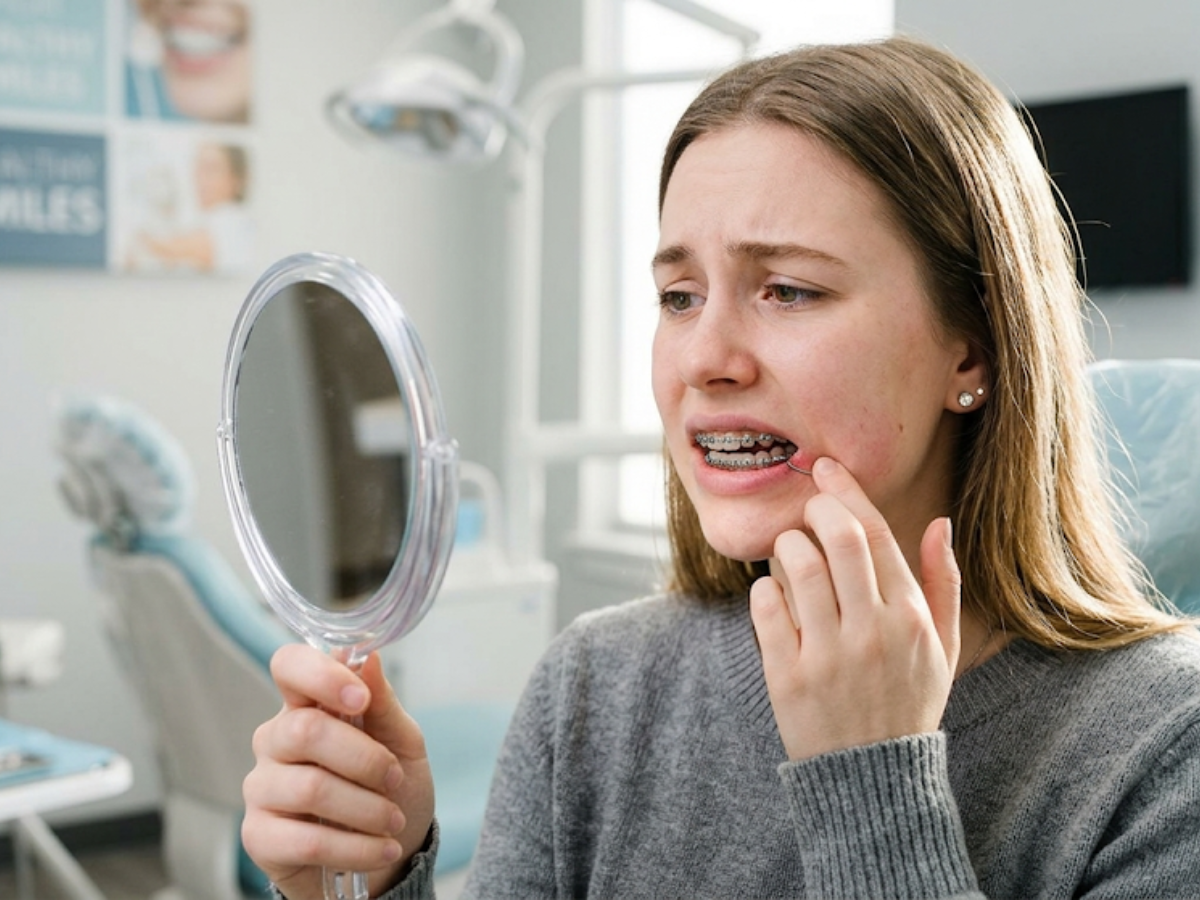
A poking wire is one of the most common orthodontic problems.
If possible, gently push the wire toward the tooth using a clean cotton swab or the eraser end of a pencil. You can also place orthodontic wax over the sharp end to protect your cheek, lips, or gums.
If the wire continues to cause significant discomfort, becomes embedded in the tissue, or cannot be managed comfortably at home, contact your orthodontist.
Retainers help maintain the position of your teeth after orthodontic treatment, so a lost or damaged retainer should not be ignored.
If your retainer is badly cracked, warped, sharp, painful, or no longer fits properly, do not force it into place. Contact your orthodontist for instructions and to determine whether it needs to be repaired or replaced.
Acting quickly can help minimize unwanted tooth movement.
Mild orthodontic soreness is common. Severe or worsening pain is not.
Contact your orthodontist or dentist promptly if you experience significant swelling, persistent severe pain, fever, drainage, or other signs that could indicate an infection.
If swelling is rapidly worsening or you are having difficulty breathing or swallowing, seek emergency medical attention.
A fall, sports injury, or other impact involving your mouth deserves special attention—particularly if your teeth, braces, or jaw have been affected.
Seek urgent medical or dental care for major facial trauma, uncontrolled bleeding, a suspected broken or dislocated jaw, or a permanent tooth that has been knocked out or severely displaced.
Once the immediate injury has been addressed, contact your orthodontist so your braces or other appliances can also be evaluated.
Wearing an appropriate mouthguard during sports can help reduce the risk of dental and orthodontic injuries.
If you lose an aligner or it becomes cracked or distorted, contact your orthodontist rather than guessing which tray to wear next.
Depending on your treatment plan, your orthodontist may recommend wearing your previous aligner temporarily, moving to another tray, or replacing the damaged aligner.
Do not wear an aligner that is sharp, painful, or badly distorted.
Contact your orthodontist if you have:
Not every situation requires a same-day appointment. Your orthodontic team can determine whether you need to come in immediately, schedule a repair visit, or manage the problem temporarily at home.
Some situations go beyond an orthodontic emergency.
Seek immediate emergency medical or dental care if you experience:
Your immediate health and safety come first. Once the emergency has been stabilized, your orthodontist can evaluate and repair any damaged orthodontic appliances.
For minor orthodontic problems, a few simple measures can make you more comfortable while you wait for professional guidance.
Place orthodontic wax over a sharp bracket or wire to create a smoother surface and reduce irritation to your cheeks, lips, or gums.
A warm salt-water rinse can soothe irritated areas inside your mouth.
After a minor injury, a cold compress applied to the outside of the face may help with discomfort and swelling.
Avoid hard, sticky, or chewy foods until a damaged bracket, wire, or appliance has been evaluated.
Most importantly, call your orthodontist if you are unsure what to do. A quick conversation can often determine whether you need an appointment or can safely manage the issue at home.
A loose bracket or damaged wire may seem minor, especially if it does not hurt. But broken orthodontic appliances may not apply the forces your orthodontist intended.
Addressing problems promptly can help prevent unnecessary discomfort and keep your orthodontic treatment progressing as planned.
An orthodontic emergency is an unexpected problem involving braces, aligners, retainers, or another orthodontic appliance that needs attention sooner than your next scheduled appointment. Most orthodontic problems are not life-threatening, but they should still be reported to your orthodontist.
Usually not. If the bracket remains attached to the wire and is not causing significant pain, your orthodontist may recommend temporarily managing it until it can be repaired. However, you should still contact the office for guidance.
Sometimes. Orthodontic wax or gently repositioning the wire may provide temporary relief. Contact your orthodontist if the wire continues to hurt, cannot be managed comfortably, or is digging into the gums or other soft tissue.
Yes. Mild pressure and tenderness after an adjustment are common and usually improve within a few days. Severe, persistent, or worsening pain should be reported to your orthodontist.
Contact your orthodontist promptly. Do not force a retainer that is badly damaged, painful, warped, or no longer fits correctly. Your orthodontist can determine whether it should be repaired or replaced.
Most broken brackets, poking wires, and damaged appliances do not require an emergency room visit.
Seek emergency care for serious situations such as uncontrolled bleeding, difficulty breathing or swallowing, major facial trauma, a suspected broken jaw, or other potentially serious injuries. After the immediate emergency is addressed, contact your orthodontist.
Orthodontic problems happen, and knowing what to do can make the situation much less stressful.
If you have a broken bracket, poking wire, damaged retainer, lost aligner, or another concern about your treatment, contact our team at Gia Orthodontics in Bartonville or Argyle, TX. We can help determine whether you need an appointment or provide guidance to keep you comfortable until you can be seen.
Whether you’re already one of our patients or you’re looking for an orthodontist in the Bartonville or Argyle area, our team is here to help with braces, clear aligners, retainers, and unexpected orthodontic concerns.
If you are experiencing severe facial trauma, uncontrolled bleeding, or difficulty breathing or swallowing, seek emergency medical care immediately.
Need help with an orthodontic issue? Contact Gia Orthodontics team located in Bartonville/Argyle.